


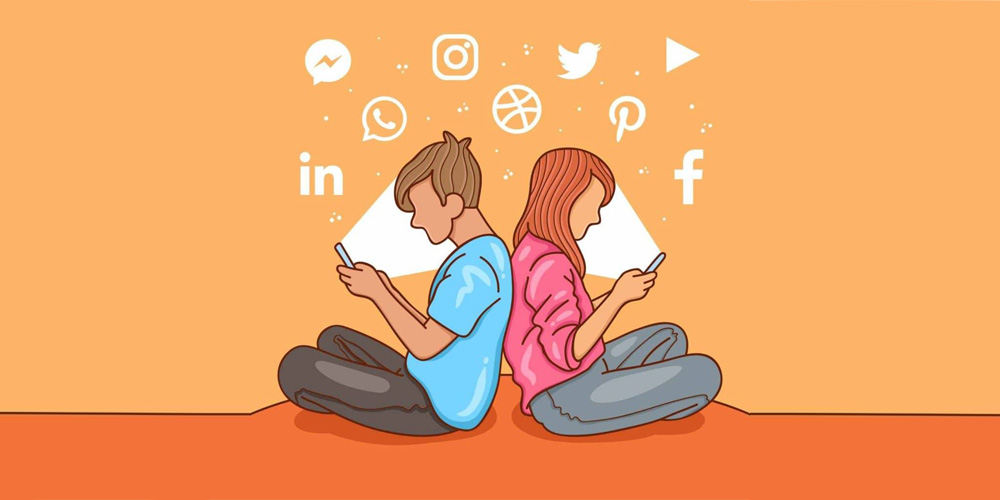
Adolescence is a period in which the brain, personal identity, and social relationships are still developing.
At the same time, social media has become one of the most important environments for adolescents’ interactions.
Psychological research shows that excessive or unhealthy use of these spaces can be associated with increased depression, anxiety, and reduced self‑esteem in some teenagers.
However, an important point is that
social media itself is not necessarily the problem; rather, the way and the amount it is used are what matter.
How can social media lead to depression or anxiety?
1. Social comparison
On social media, teenagers are usually exposed to “ideal” images of other people’s lives: better appearance, happier life, greater success.
This constant comparison can lead to feelings of
inadequacy, lower self‑confidence, and sadness.
2. Dependence on others’ approval
Likes and comments become a kind of
instant social reward.
If a teenager ties their self‑worth to the number of reactions they receive, they may experience mood swings, anxiety, and extreme sensitivity to others’ opinions. Their sense of value and importance no longer comes from their own views and thoughts, but from others’ judgments, which may go up or down depending on the type of reactions they get online.
3. Sleep disturbance
Using a phone at night, especially right before sleep, reduces sleep quality.
Lack of sleep is itself one of the important factors in depression, irritability, and anxiety in adolescents.
4. Fear of Missing Out (FOMO)
Constantly seeing other people’s activities may create a feeling of “being left out” and can fuel
social anxiety.
(There is a separate post about FOMO in this channel.)
5. Online harassment and violence (Cyberbullying)
Humiliation, mockery, or spreading rumors online can have very serious effects on teenagers’ mental health and, in some cases, is associated with
severe depression and self‑harm thoughts.
Signs that may indicate a negative impact of social media
It is important for parents and those around the teenager to pay attention to these signs:
Frequent mood changes after using social media
Lower self‑confidence or dissatisfaction with appearance
Withdrawal and reduced interaction with family or friends
Sleep disturbances
Strong dependence on the phone and checking it constantly
Practical recommendations for teenagers and families
1. Limiting screen time
Many experts recommend that social media use for teenagers be around 1 to 2 hours per day.
2. No phone before bedtime
It is better to put the phone away at least one hour before sleep.
3. Open communication in the family
Parents should create an atmosphere in which the teenager can
talk about their online experiences without fear.
4. Media literacy education
Teenagers need to know that many of the images and lifestyles they see on social media are
edited or highly selective.
Online content often differs greatly from real life.
5. Strengthening offline activities
Activities such as
exercise, art, reading, and in‑person relationships
play an important role in psychological balance and healthy living.
6. Managing the content they follow
Following educational, scientific, or inspiring pages can create a healthier social media experience.
Conclusion
Social media is an inseparable part of the lives of today’s teenagers. Conscious and balanced use can be beneficial, but excessive use, social comparison, and dependence on others’ approval may create conditions that foster
depression and anxiety.
The role of the family, media literacy education, and creating a balance between online and real life are crucial in preventing these problems.






بدون دیدگاه