


Public Education
Post‑Traumatic Stress Disorder (PTSD)
is a psychiatric condition that may develop after experiencing or witnessing a highly stressful or life‑threatening event. Such events may include war, severe accidents, natural disasters, violence, assault, or the sudden loss of loved ones.
1. What is PTSD?
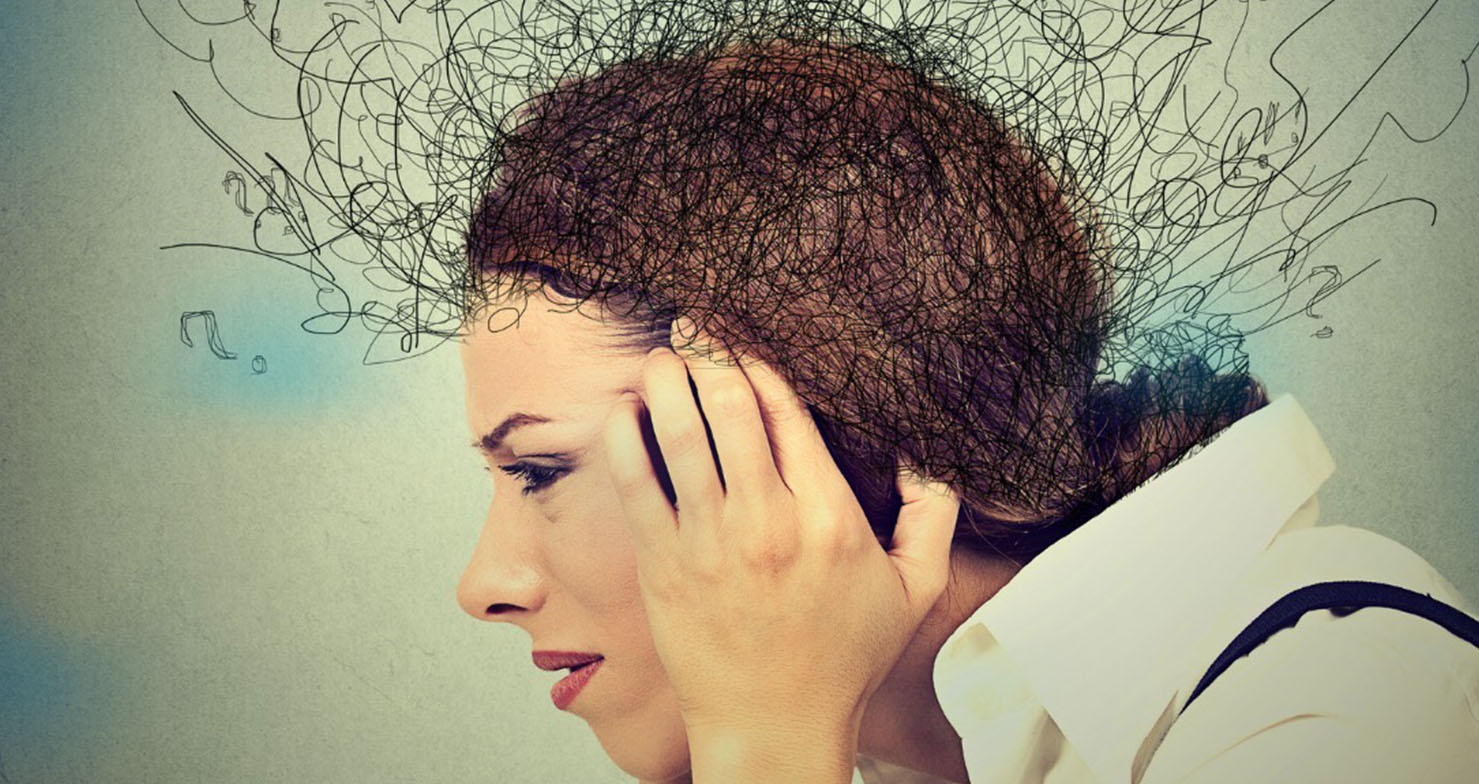
PTSD is a condition in which the brain remains in a state of alert and defense after a severe event, as if the danger has not yet passed.
Therefore, the individual may continue to experience anxiety, disturbing memories, and intense reactions long after the incident.
Important note:
Experiencing stress and distress after a traumatic event is normal. However, if these symptoms
continue for more than one month and disrupt the individual’s life,
PTSD may be present.
2. Who Is at Risk for PTSD?
Anyone can develop PTSD, but the likelihood is higher in situations such as:
- Direct experience of a severe event (accident, war, violence)
- Witnessing harm to others
- Working in high‑risk jobs (emergency physicians, rescue workers, police)
- A history of previous mental health problems
- Lack of social support
3. Symptoms of PTSD
Symptoms typically fall into four main categories:
A. Re‑experiencing the Trauma
- Intrusive and distressing memories
- Frequent nightmares
- Feeling as if the event is happening again (flashbacks)
B. Avoidance
The individual tries to stay away from anything that reminds them of the trauma:
- Avoiding certain places
- Avoiding specific people
- Not talking about the event
C. Negative Changes in Mood and Thinking
- Feelings of guilt or shame
- Emotional numbness
- Reduced interest in activities
- Hopelessness about the future
D. Hyperarousal
- Irritability
- Sudden anger outbursts
- Sleep problems
- Poor concentration
- Constant sense of being on guard
4. When Should Someone Seek Medical Help?
It is advisable to consult a psychiatrist or psychologist if:
- Symptoms last for more than one month
- There is disruption in work, school, or relationships
- Severe nightmares or anxiety occur
- Thoughts of harming oneself or others appear
5. Treatment for PTSD
The good news is that PTSD is treatable.
A. Psychotherapy (the most important treatment)
Effective types include:
- Cognitive Behavioral Therapy (CBT)
- Exposure Therapy
- EMDR (Eye Movement Desensitization and Reprocessing)
B. Medication
In some patients, medications may help, such as:
- SSRIs (e.g., sertraline, fluoxetine)
- Anti‑anxiety medications in specific cases
C. Social Support
- Talking with family
- Support groups
- Receiving help from friends
6. How to Help Someone with PTSD
If someone around you has PTSD:
- Listen to them without judgment
- Encourage them to see a specialist
- Avoid saying things like “Just forget it”
- Be patient; recovery takes time
7. Important Tips for Prevention and Recovery
- Adequate sleep
- Regular physical activity
- Relaxation techniques (deep breathing, meditation)
- Limiting alcohol and substance use
Summary
PTSD is the body’s natural reaction to a very difficult experience, but if it continues, it can develop into a disorder. Early diagnosis, support from loved ones, and professional treatment play a major role in recovery.
“Society and Mental Health”
This platform shares content related to psychology and psychiatry.
ID:





)
بدون دیدگاه