


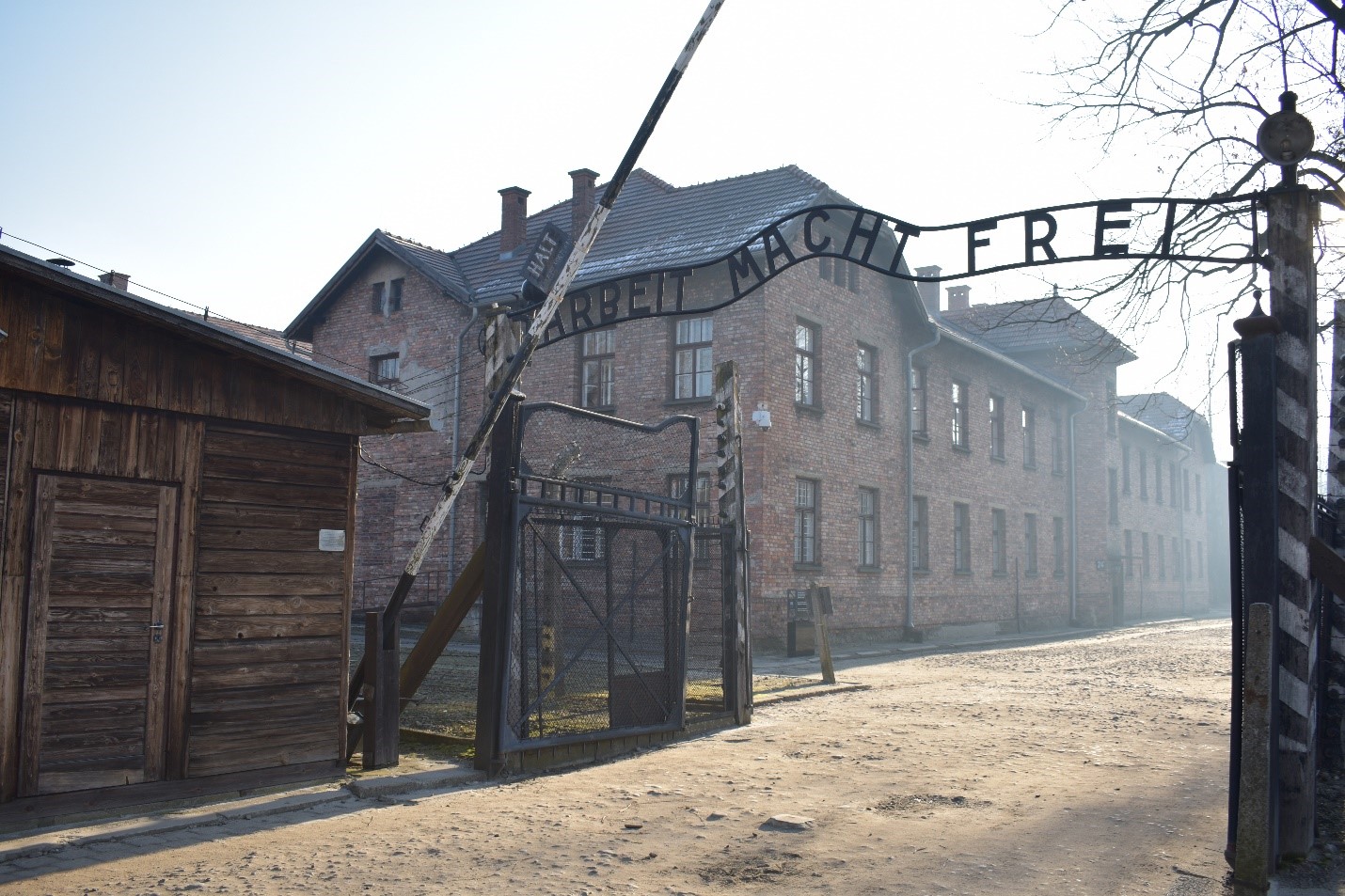
Today I saw that some people, in a new attempt to silence the interpretation and analysis of what has happened, referred to Adorno’s statement that “to write poetry after Auschwitz is barbaric.” The fact that the far right is clinging to a quote from Adorno to justify itself is, of course, an interesting level of irony—but that is not the main point.
In his book After Barbarism, #Dabashi—whose translation I completed some time ago, though unfortunately the professor has not permitted its free publication—offers a very strong argument against this claim.
Dabashi says that “poetry after Auschwitz is barbarism” expresses the Western white man’s understanding of catastrophe. The Eastern, and especially the Iranian, understanding of catastrophe is in fact entirely the opposite. Look at our finest literary and musical works and see in what periods they were composed. We, in reaction to catastrophe, actually take refuge in verbal expression.
After Alexander’s invasion in the 4th century BCE, a wave of Khoday-Nameh writing arose in Iran. After the Arab invasion, we saw the emergence of historiography, commentary writing, and in poetry came Rudaki, Daqiqi, Unsuri, and Manuchehri. After the Mongol invasion in the 7th century AH, we have Rumi, Attar, Saadi, and Hafez.
Contrary to what is claimed, the Iranian spirit has not responded to catastrophe by halting intellectual production. The Iranian spirit has not been one of creating an unresolved, paralyzing “trauma” from disaster and then clinging to that disaster to justify halting life.
It is not intellectual production that is barbaric. Barbarism is letting catastrophe dominate life—and stopping life.
Resistance is life.
Live.
@anexegesis





بدون دیدگاه