


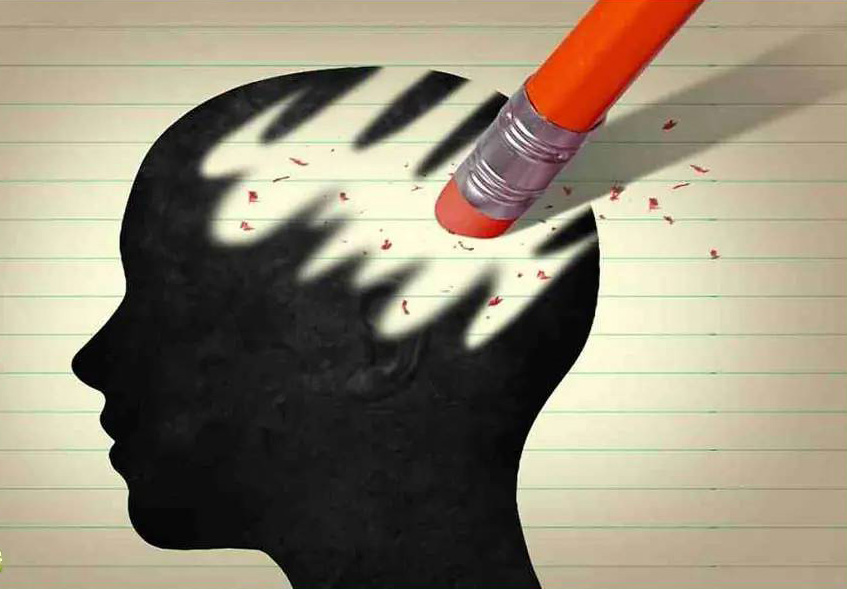
Normal Forgetfulness vs. Warning Signs of Disease
Many people complain about memory problems and worry about developing serious disorders, including Alzheimer’s disease. However, there are important differences between normal forgetfulness and memory impairment caused by disease.
Normal Forgetfulness
(Fatigue, stress, mental overload)
- Retrieving information: You may forget a name or phone number, but later remember it.
- Using everyday objects: Sometimes you forget where you put your glasses or keys.
- Repeating stories: You may retell a story after several months without realizing it.
- Performing complex tasks: You might occasionally make mistakes when adjusting the settings of a new device or paying a bill.
- Time and place: You may briefly wonder whether today is Monday or Tuesday, but quickly realize the answer after checking the calendar.
- Judgment: Sometimes you make a decision that you later recognize as a mistake.
- Mood changes: You may become irritable or low in energy when tired.
In normal circumstances, these events occur only occasionally. The individual is aware of them, and they do not interfere with daily life.
When Disease May Be Present
Warning Signs of Memory Problems
(Need for clinical evaluation)
- New information is completely lost: Memories do not return, even with time.
- Misplacing objects: Items are placed in highly inappropriate locations (for example, putting keys in the refrigerator), and the person cannot retrace the steps to find them.
- Repetition: The person repeats the same question or statement several times within ten minutes without remembering having asked it before.
- Difficulty with familiar tasks: They become unable to perform very familiar activities, such as preparing a usual meal or operating the TV remote control.
- Disorientation in time and place: They lose track of the seasons or suddenly become lost in a neighborhood where they have lived for years.
- Poor judgment: They make unusual financial decisions or wear clothing inappropriate for the season (for example, a heavy coat in the middle of summer).
- Personality and mood changes: Sudden changes occur, such as a previously calm person becoming unusually suspicious or aggressive.
People with memory disorders are often unaware of these changes and may not actively seek help or treatment.
The Role of Attention
Many memory lapses occur because information was never properly stored, rather than because it was erased. When the mind is occupied by stress or multitasking, the brain may fail to encode information in the first place, leaving nothing to retrieve later.
Mental Exercise and Concentration
If memory problems improve when a person focuses on a mental activity, such as reading or problem-solving, the issue is more likely related to lack of attention. However, if confusion occurs even during routine daily activities, a clinical evaluation is recommended.
Depression-Related Pseudodementia
In many cases, symptoms of forgetfulness are actually manifestations of hidden depression, a condition known as pseudodementia. With proper treatment of depression, memory function may improve significantly or return completely.
Society and Mental Health
This platform shares articles and information related to psychology and psychiatry.
🆔 Channel:
https://ble.ir/jamehvasalamtravan
Dr. Hamid Yousefi
Psychiatrist
Website:
https://www.drhamidyousefi.com/







بدون دیدگاه