


Critical Thinking:
The True Purpose of Education
Critical Thinking and the Purpose of Education
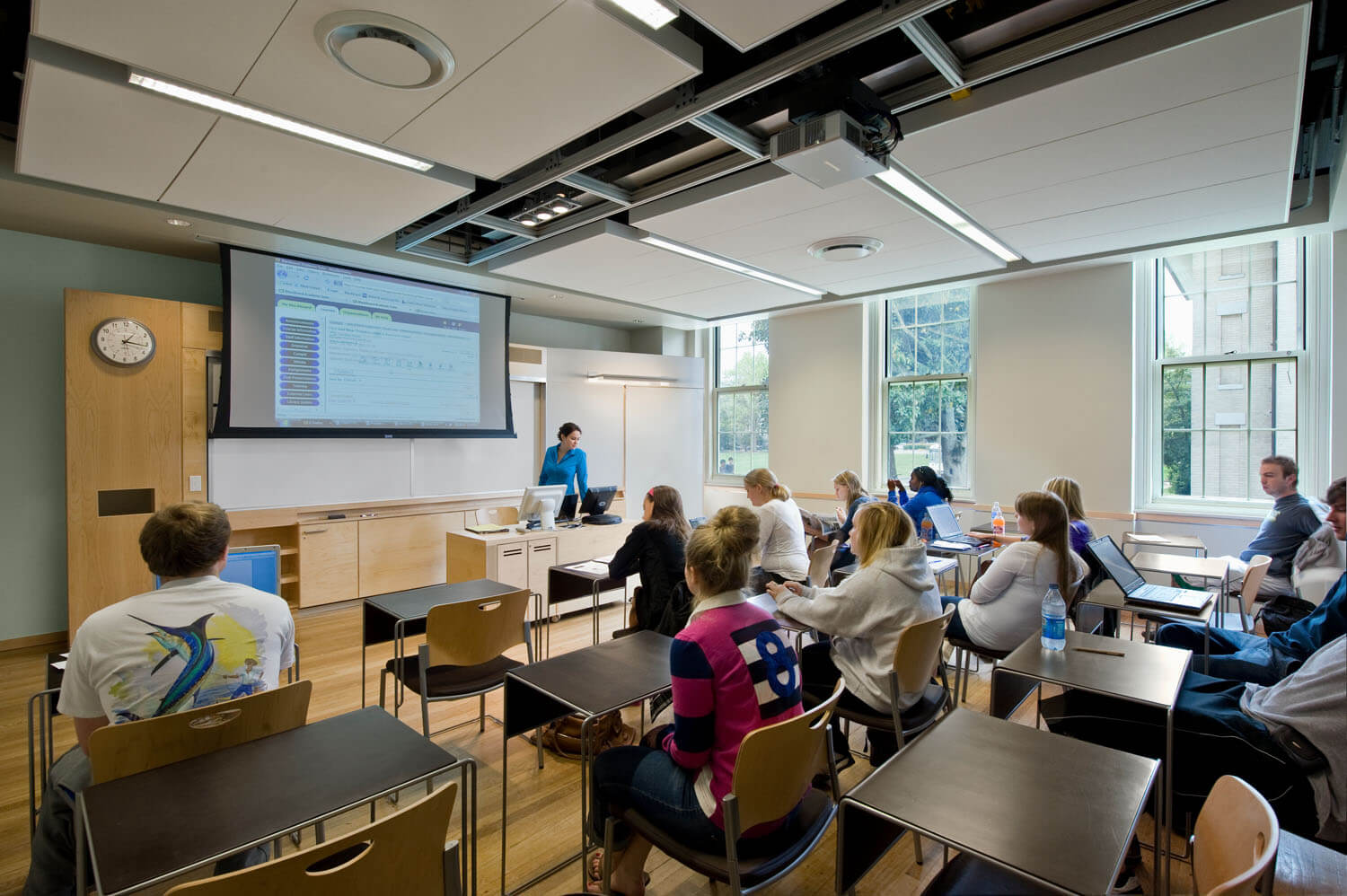
Critical thinking and the purpose of education are two deeply interconnected concepts. Unfortunately, in many modern educational systems, learning content has largely replaced learning how to think.
1. Critical Thinking: Beyond Criticism
Critical thinking does not mean being cynical or constantly finding faults. Rather, it is a systematic process of evaluating information. Its key components include:
Identifying Assumptions
What assumptions underpin a theory or claim? Are those assumptions valid and justified?
Evaluating Evidence
How strong is the scientific evidence? Has correlation been mistaken for causation?
Recognizing Cognitive Biases
Being aware of confirmation bias and understanding how the human mind can distort reality to preserve preexisting beliefs.
Logical Reasoning
The ability to construct coherent arguments that move from sound premises to logical conclusions through both deductive and inductive reasoning.
2. The True Purpose of Education: Learning How to Learn
If the purpose of education is reduced to obtaining a degree or acquiring technical skills for the job market, we fall into a dangerous form of reductionism. According to philosophers of education and developmental psychologists, the ultimate purpose of education is to:
Break Free from Dogmatism
Education should enable individuals to say, “I don’t know.” Socrates became one of history’s greatest thinkers because he recognized the limits of his own knowledge. Genuine education cultivates intellectual humility.
Empower Personal Agency
An educated person should not simply imitate others. The goal of education is to transform individuals from passive consumers into active creators—whether in science, art, or thought.
Develop Moral Character
Knowledge without ethics—science without wisdom—can be dangerous. True education places wisdom alongside knowledge, enabling individuals to use scientific and intellectual tools responsibly for the betterment of society.
3. Why Does Critical Thinking Seem Less Prominent Among Today’s Youth?
A Culture of Instant Rewards
In the age of social media algorithms, attention is often drawn to what is easy to consume rather than what requires deep analysis. Critical thinking is mentally demanding, and the brain naturally seeks cognitive shortcuts.
Teaching “What” Instead of “How”
When education focuses on memorizing ready-made answers instead of teaching problem-solving methods, critical thinking is inevitably suppressed.
4. Connecting the Two on the Path to Growth
Purposeful education nurtures young people who are:
1. Inquisitive
They do not accept an idea simply because “that’s the way it has always been.”
2. Open to Multiple Perspectives
They can examine social and political issues from diverse viewpoints—economic, psychological, historical, and beyond.
3. Comfortable with Uncertainty
In a complex world, absolute answers are rare. A truly educated person is someone who can make responsible decisions even when information is incomplete.
Mental Health
This platform shares articles and educational content related to psychology and psychiatry.
Channel:
https://ble.ir/jamehvasalamtravan
Dr. Hamid Yousefi
Psychiatrist
Website:
https://www.drhamidyousefi.com/





بدون دیدگاه