


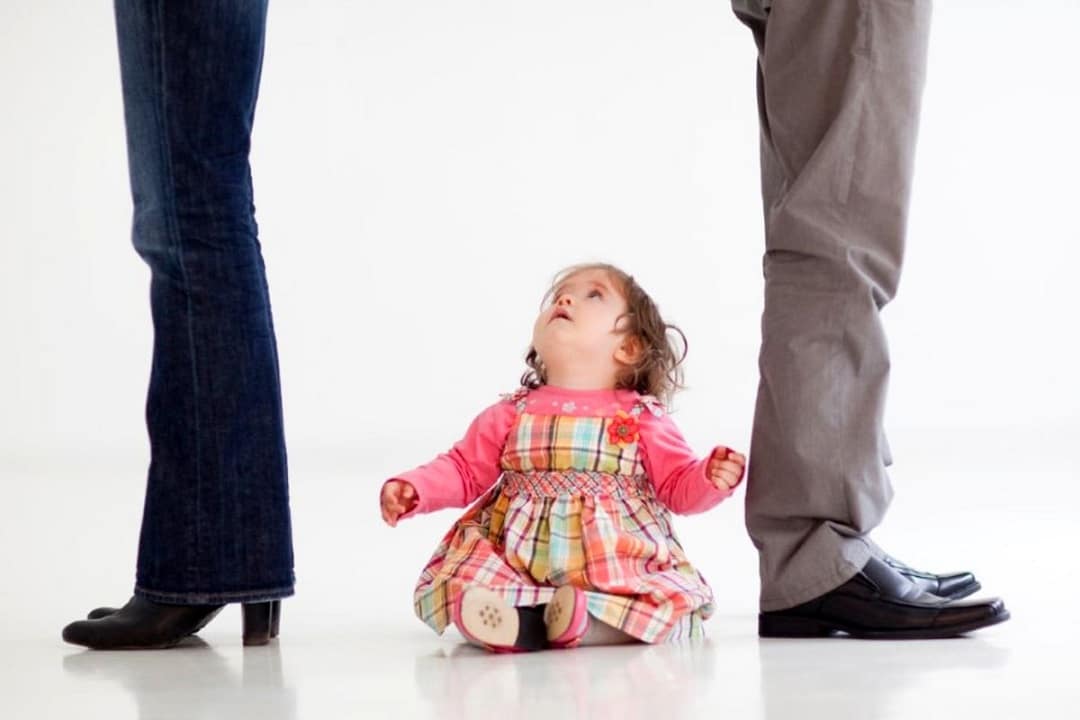
In many Iranian families, parenting patterns are often transmitted from previous generations. Some of these patterns, despite parents’ good intentions, can have significant psychological consequences for a child’s emotional and social development. Below are some of the most important parenting mistakes identified in family psychology studies in collectivist cultures (including Iran).
1. Constant Comparison with Others
One of the most common mistakes is comparing a child with peers, siblings, or relatives’ children.
Examples:
- “Look at the grade your cousin got.”
- “Why aren’t you like your sister?”
Psychological consequences
- Reduced self‑esteem
- Development of feelings of inadequacy
- Unhealthy competition
- Performance anxiety
The child learns to evaluate their worth based on external comparison rather than internal growth.
2. Excessive Focus on Academic Success
In many families, a child’s value is defined by their
grades, field of study, or admission to university.
Consequences
- Test anxiety
- Fear of failure
- Unhealthy perfectionism
- Reduced creativity and intrinsic motivation
In motivation psychology, this situation leads to the dominance of extrinsic motivation over intrinsic motivation.
3. Overprotection
Some parents intervene excessively in their child’s life in order to prevent harm.
Signs:
- Doing the child’s tasks instead of letting them do it
- Constantly controlling decisions
- Preventing the child from experiencing failure
Consequences
- Psychological dependency
- Reduced problem‑solving skills
- Social anxiety
- Lower self‑efficacy
4. Excessive Control and Authoritarian Parenting
In the authoritarian parenting style, parents expect complete obedience.
Characteristics
- Strict rules
- Not explaining the reasons behind rules
- Frequent use of punishment
Possible consequences
- Hidden aggression
- Lying to avoid punishment
- Reduced self‑confidence
- Emotional distance from parents
5. Suppression of Children’s Emotions
In many cultures—especially for boys—expressing emotions is discouraged.
Examples:
- “Men don’t cry.”
- “You’re grown up; stop behaving like that.”
Consequences
- Difficulty regulating emotions
- Explosive anger
- Relationship problems in adulthood
6. Using Shame and Guilt as Parenting Tools
Sometimes parents use social shame to control behavior.
Examples:
- “You’ve ruined our reputation.”
- “What will people say?”
Psychological consequences
- Development of chronic shame
- Social anxiety
- Strong dependence on others’ approval
7. Excessive Interference from the Extended Family
In some families, grandparents or relatives play a strong role in raising the child.
Consequences
- Contradictory parenting messages
- Confusion for the child
- Weakening of parental authority
8. Lack of Life Skills Education
Focusing heavily on academic success sometimes leads to neglecting important life skills such as:
- Problem‑solving
- Emotional regulation
- Effective communication
- Decision‑making
Yet these life skills are often stronger predictors of mental health in adulthood than academic or career success alone.
9. Conditional Affection
Some parents make their affection dependent on the child’s performance.
Examples:
- “I’ll love you if you become the top student.”
- “If you don’t do this, I’m not your mother anymore.”
Consequences
- Anxiety about losing love
- Strong dependence on approval
- Fragile self‑esteem
10. Inappropriate Parental Role Modeling
Children learn more from their parents’ behavior than from their words.
If parents:
- behave aggressively
- lie
- fail to regulate their emotions
there is a high probability that the child will imitate those same patterns.
Conclusion
Healthy parenting usually develops within an authoritative and balanced parenting style—one that combines two essential elements:
- Love and emotional support
- Clear rules and boundaries
This balance helps foster autonomy, healthy self‑esteem, and emotional regulation in children.
“Society and Mental Health”
Here, writings and materials related to psychology and psychiatry are shared.
ID:






بدون دیدگاه