


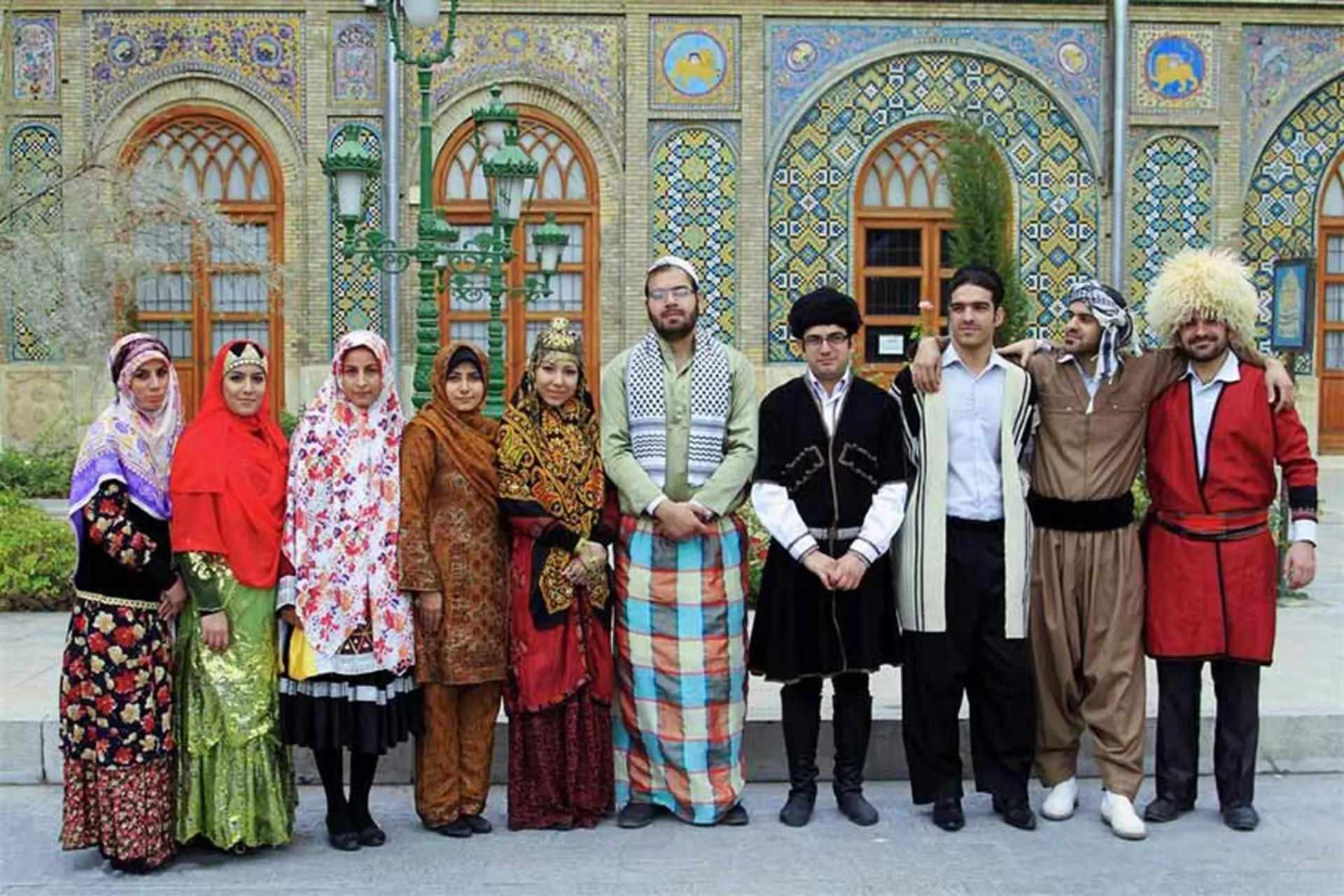
Modern research shows that psychological differences among humans are influenced far more by cultural, social, and historical factors than by biological or racial ones. The concept of race in human biology is highly ambiguous and cannot by itself explain psychological differences.
1. Fundamental Psychological Similarities Among All Humans
From evolutionary and neuroscientific perspectives, much of the human psychological structure is shared across populations. Some key examples:
a) Basic Emotions
Research by Paul Ekman showed that emotions such as:
- Happiness
- Fear
- Anger
- Sadness
- Disgust
- Surprise
are expressed with similar facial patterns across all cultures.
b) Shared Psychological Needs
In many psychological theories (e.g., Maslow’s), humans share similar needs:
- Social belonging
- Security
- Autonomy
- Meaning and identity
- Self‑esteem
c) Similar Cognitive Structures
Core cognitive processes are largely common to all humans:
- Memory
- Learning
- Attention
- Language
- Decision‑making
2. Psychological Differences Between Cultures
Most differences appear in cognitive styles, values, and social behavior.
a) Individualism vs. Collectivism
One of the most important cultural differences.
Individualistic cultures (e.g., the United States, Western Europe):
- Emphasis on personal independence
- Individual decision‑making
- Strong personal identity
- Greater emphasis on competition
Collectivistic cultures (parts of Asia, the Middle East, Africa):
- Importance of family and group
- Collective decision‑making
- Strong social identity
- Social harmony valued more than competition
b) Cognitive Styles
Richard Nisbett’s research suggests differences in ways of thinking.
Analytical Thinking
- Focus on objects
- Logical categorization
- Linear causal reasoning
More common in Western cultures.
Holistic Thinking
- Attention to context
- Relationships between elements
- Greater tolerance for contradiction
More common in East Asian cultures.
c) Emotion Regulation
The way emotions are expressed differs across cultures.
For example:
- In Western cultures, expressing positive emotions is often encouraged.
- In some Asian cultures, emotional restraint is considered a virtue.
d) Concept of the Self (Self‑Concept)
Two main patterns:
Independent Self
- Identity defined by personal traits and individual characteristics.
Interdependent Self
- Identity defined through social relationships.
3. Personality Differences on a Global Scale
Research on the Big Five personality model shows that the five major personality dimensions appear in almost all cultures:
- Extraversion
- Agreeableness
- Conscientiousness
- Neuroticism
- Openness to Experience
However, average levels of these traits vary slightly across populations.
For example, some studies suggest:
- Scandinavian countries → higher agreeableness
- Latin America → higher extraversion
- East Asia → higher conscientiousness
But these are statistical averages, and there is enormous variation within every society.
4. Why Do These Differences Develop?
Several factors play important roles:
-
Economic structure
Agricultural, industrial, or knowledge-based economies influence values.
-
Family structure
Extended vs. nuclear families.
-
Educational systems
-
History and religion
-
Geographical environment
For example, some studies show that societies with a long history of rice cultivation tend to display higher levels of cooperative behavior.
5. An Important Point: The Risk of Stereotyping
Psychologists emphasize that:
- Cultural differences represent statistical averages.
- There is enormous diversity within every culture.
- Individual factors, social class, education, and personality often matter more than ethnicity.
For this reason, modern science rarely uses the term “racial psychology.”
Summary
- The basic structures of human psychology are shared across all populations.
- Most observed differences are cultural and social, not racial.
- Major differences appear in values, thinking styles, concepts of self, and emotion regulation.
- Diversity within each society is far greater than differences between societies.
“Society and Mental Health”
Here, writings and materials related to topics in psychology and psychiatry are shared.
ID:
https://ble.ir/jamehvasalamtravan
Dr. Hamid Yousefi’s Website
Psychiatrist






بدون دیدگاه