


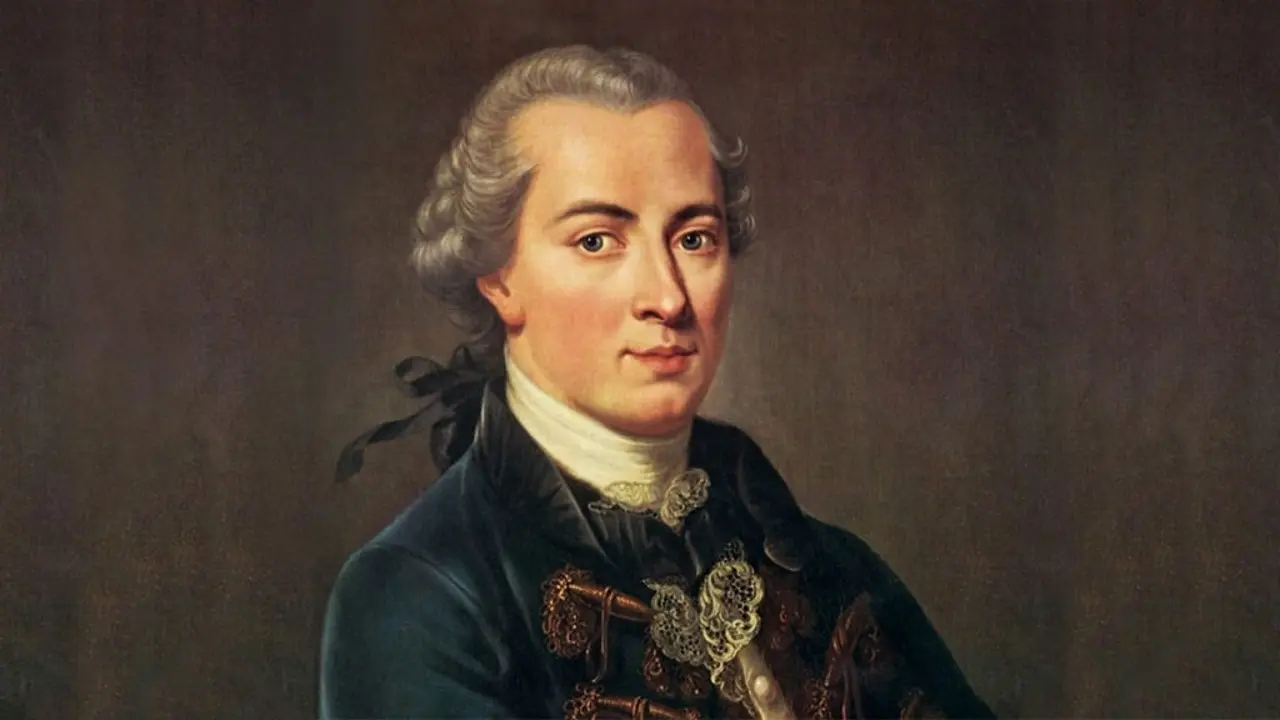
“Dare to Think” and the Knowledge‑Based Society
Kant argues that enlightenment means:
The independent use of reason.
In modern societies—along with the growth of science, technology, information exchange, universities, and the internet—the importance of critical thinking has increased significantly.
In such environments, the following are essential for living in the modern world:
- The ability to analyze data
- The ability to detect errors
- Media literacy
- Intellectual independence
In Kantian terms:
A society is considered modern when people are able to think freely and cultivate this ability.
Escaping “Intellectual Immaturity” and the Need for Critical Literacy
Kant defines immaturity as the inability to use one’s reason without the guidance of others.
In the modern world:
- The massive flow of information
- Social media
- Advertising
- Algorithms
- Diverse ideological movements
can all influence the human mind.
Therefore, the Kantian principle of independence in judgment means the ability to:
- Think critically
- Ask questions
- Distinguish reliable information from unreliable information
Kant’s Distinction: “Public Reason” vs. “Private Reason”
This idea has surprisingly relevant applications today.
Kant explains:
- Private Reason = Professional or organizational roles that require obedience and compliance.
- Public Reason = The freedom of individuals to speak and think as members of humanity.
In the modern world:
- Doctors, engineers, soldiers, judges, and others must follow rules and institutional order in their professional roles (private reason).
- At the same time, every individual should be able to freely discuss scientific, ethical, cultural, and intellectual matters (public reason).
Kant’s distinction is fundamentally applied in:
- Universities
- Media institutions
- Professional environments
- Scientific ethics
The Courage of Independent Thinking in the Face of Cultural Pressures
Kant did not speak only about political pressure;
he also addressed mental fear and intellectual laziness.
In today’s societies:
- Fear of social judgment
- Conformity with dominant trends
- Pressure from traditions
- Pressure from the entertainment industry
- Even pressure from different intellectual groups
can limit intellectual independence.
Here the Kantian courage gains meaning:
Dare to think with your own mind—even if the dominant trend says otherwise.
Conclusion
Kant’s ideas about enlightenment have the following implications for any modern society:
- Social progress is impossible without freedom of reason.
- Sustainable progress requires both individual and collective intellectual maturity.
- The responsibility for thinking lies with human beings themselves, not institutions.
- Critical thinking, media literacy, and intellectual independence are foundations of modern society.
- Lasting change begins with education and collective reasoning.
“Society and Mental Health”
This platform shares writings and materials related to psychology and psychiatry.
ID:







بدون دیدگاه